

How to manage dance studio class schedules
- Dance studio scheduling requires accounting for multiple disciplines, age groups, term-based enrolment, and family logistics unlike gyms.
- Schedule anchor classes first in peak time slots, then build around age-based patterns and cluster multi-child family classes together.
- Plan schedules six to eight weeks before term opens, publish before enrolment, and use management software to automate waitlists and notifications.
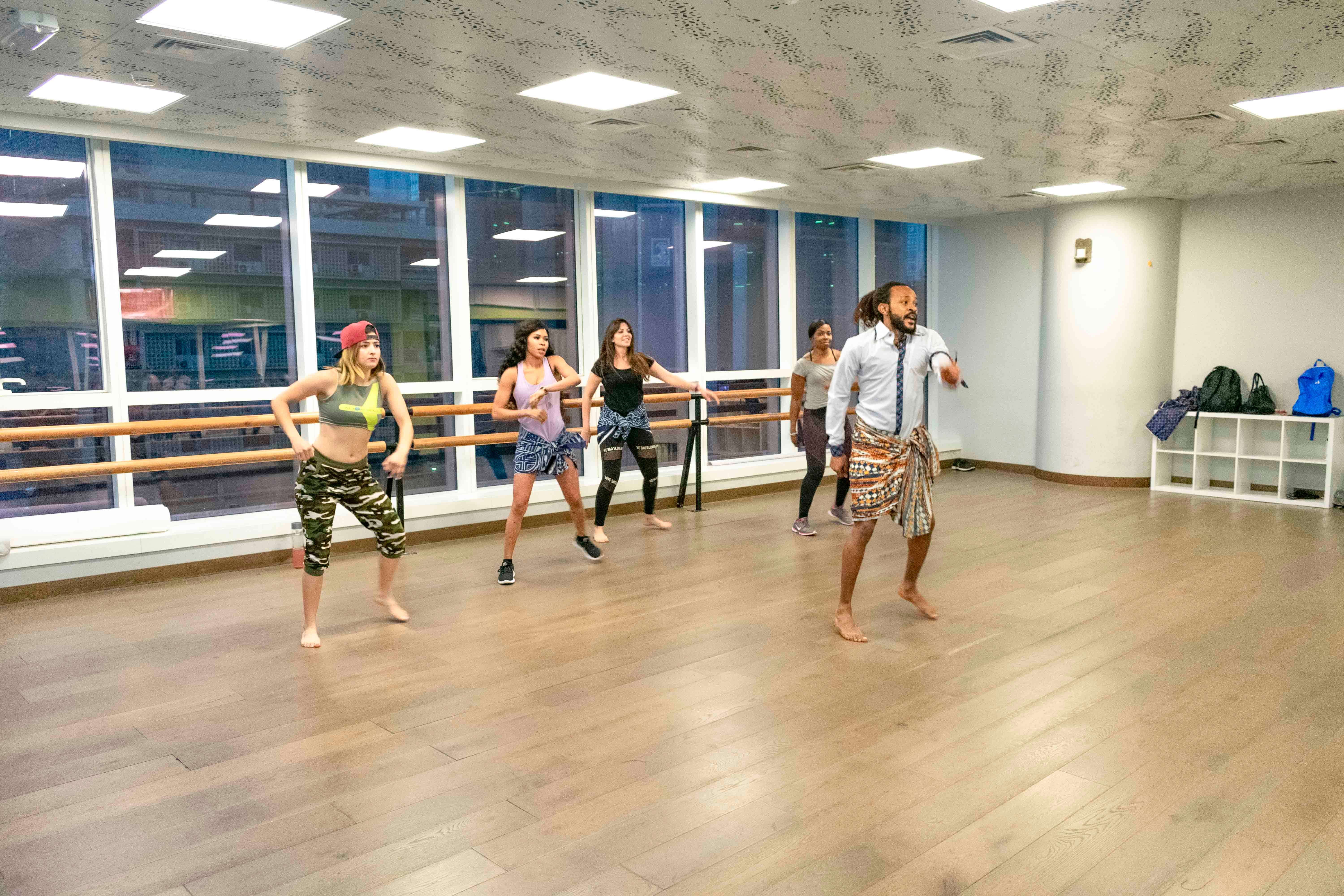
Managing a dance studio timetable is more complex than most fitness businesses. Unlike a gym running a fixed weekly roster, a dance studio has to account for multiple disciplines, age groups, term-based enrolment, instructor availability, and families juggling siblings across different classes. When any one of those variables shifts, the whole schedule ripples.
This guide covers how to build a class schedule that holds up across a full term and how to manage it without the weekly admin overhead.
Why dance studio scheduling is harder than other fitness formats
Most fitness businesses run a fixed weekly timetable that repeats year-round. Dance studios rarely have that luxury. Your schedule needs to handle:
- Multiple disciplines - ballet, jazz, hip-hop, contemporary, tap, and acrobatics all need different room setups and class durations
- Age-based class groupings - a single style can generate five or six separate class slots once you account for age and skill level
- Term-based enrolment - your timetable needs to be finalised and published weeks before the term opens, not adjusted day by day
- Instructor constraints - many dance teachers work across multiple studios, so their availability windows are narrow
- Family accounts - a parent with three children across six classes needs to see everything in one place
Treating a dance studio timetable like a gym timetable is where most scheduling problems start.
How to build your schedule each term
Good scheduling happens before enrolment opens, not after. Here is a repeatable process.
Start with your constraints
Before plotting a single class, map your hard limits: studio room availability, instructor availability, and any facility restrictions. These are non-negotiable and everything else fits around them.
Collect instructor availability in writing at the start of each term planning cycle. Any teacher who works across multiple studios needs to confirm their windows early last-minute conflicts are almost always the result of not asking soon enough.
Schedule your anchor classes first
Anchor classes are your highest-demand or exam-essential sessions. These get the best time slots typically weekday afternoons between 4pm and 7pm before anything else is placed. For most studios that means senior exam groups, competitive squads, and popular beginner programs for school-age children.
Build around age group patterns
Younger children work best in late afternoon slots between 3:30pm and 5:30pm when school pickup aligns. Older students and teens can attend later in the evening. Adults typically fill early morning or post-work slots.
Stagger age groups across rooms and time slots to avoid bottlenecks at reception, especially at changeover.
Group classes for multi-child families
One of the most common reasons families drop out is the inconvenience of waiting between classes for different children. Where your timetable allows, cluster classes for the same age bracket close together. A family with two younger students doing back-to-back sessions is far more likely to stay enrolled than one waiting 90 minutes between them.
Build in buffer time
Dance classes need transition time that most other fitness classes do not. Students need to exit, new students need to enter, and instructors sometimes need a moment to reset. A five to ten minute buffer between back-to-back sessions prevents the schedule from compressing as the term progresses.
Publish before enrolment opens
Give families at least two to three weeks to see the schedule before enrolment opens parents make childcare and logistics decisions based on it. Frequent last-minute changes after enrolment opens erode trust, particularly with families who have multiple children enrolled.
Managing changes mid-term
Even a well-planned timetable needs adjustments. Here is how to handle the common ones.
- Instructor absences have a substitution plan before you need it. Know which instructors can cover which disciplines and notify enrolled families immediately when a class is cancelled or covered. If your studio management software supports automated messaging, a single action notifies all affected families in minutes rather than requiring individual contacts.
- Under-enrolled classes a class running at less than half capacity by week three is a signal, not a problem to wait out. The options are to promote it more actively, consolidate it with a nearby time slot, or cut it before next term. Keeping an under-enrolled class running out of habit costs instructor time and room space that could go elsewhere. Attendance and enrolment reporting makes this decision cleaner because you can see the pattern clearly rather than estimating.
- Waitlists popular classes fill quickly, especially beginner programs for young children. A member management system with waitlist functionality captures that demand automatically and notifies the next family when a spot opens, rather than relying on you to track it manually.
What your scheduling system needs to handle
Your system needs more than a timetable display. The core requirements for a dance studio are:
- Recurring and one-off class types, including workshops, exam prep, and recital rehearsals
- Class capacity limits enforced automatically so you never oversell a room
- Online enrolment and payment so families can book and pay without contacting you
- Family accounts with a single parent login across all children
- Waitlist management that notifies families automatically when a spot opens
- Digital attendance tracking rather than paper roll sheets
- Automated SMS and email reminders for confirmations, schedule changes, and class reminders
A spreadsheet handles some of this. The gaps between separate tools create admin work every week.
Frequently asked questions
How far in advance should I plan my dance studio schedule?
Six to eight weeks before the new term opens for enrolment is a reliable target. This gives you time to confirm instructor availability, identify room constraints, and communicate the timetable to families before they need to make enrolment decisions.
How should I manage term enrolment versus casual attendance?
Most dance studios operate primarily on term enrolment because it supports instructor planning and provides predictable revenue. Casual attendance suits adult classes, workshops, and trial sessions. If you offer both, your scheduling system needs to handle them separately a casual spot should not displace an enrolled student.
Clubworx is an all-in-one platform built for dance studios and other class-based fitness businesses. It brings timetable management, online enrolment, family accounts, automated communication, and payment processing into a single system. Start a free trial or book a demo to see how it handles dance studio scheduling end to end.

.svg)
.svg)

On this page
Stay up-to-date with Clubworx
Other reads you might like
.avif)


About the Author
