

The Biggest Fitness Trends of 2026
- Strength training has overtaken cardio as members' primary fitness goal, requiring studios to adapt class offerings.
- Community engagement and personalised communication are now the strongest drivers of member retention and long-term value.
- Studios must implement integrated digital systems including online booking, mobile apps and automated communication to remain competitive.

The Biggest Fitness Trends in 2026: What Studio Owners Need to Know
The fitness industry in 2026 looks nothing like it did even two years ago. Strength training has overtaken cardio as the top member priority. AI is moving from novelty to operational backbone. Recovery is becoming its own revenue stream. And the studios winning on retention are the ones treating data and community as core infrastructure, not afterthoughts.
Whether you run a gym, yoga studio, martial arts dojo or boutique fitness space, understanding where the industry is heading helps you make better decisions about your timetable, pricing, equipment and technology.
This guide breaks down the trends that matter most for studio owners and operators in 2026, with data from ACSM's annual fitness trends survey, Athletech News, Fitt Insider and other industry sources.
1. Strength training is the new baseline
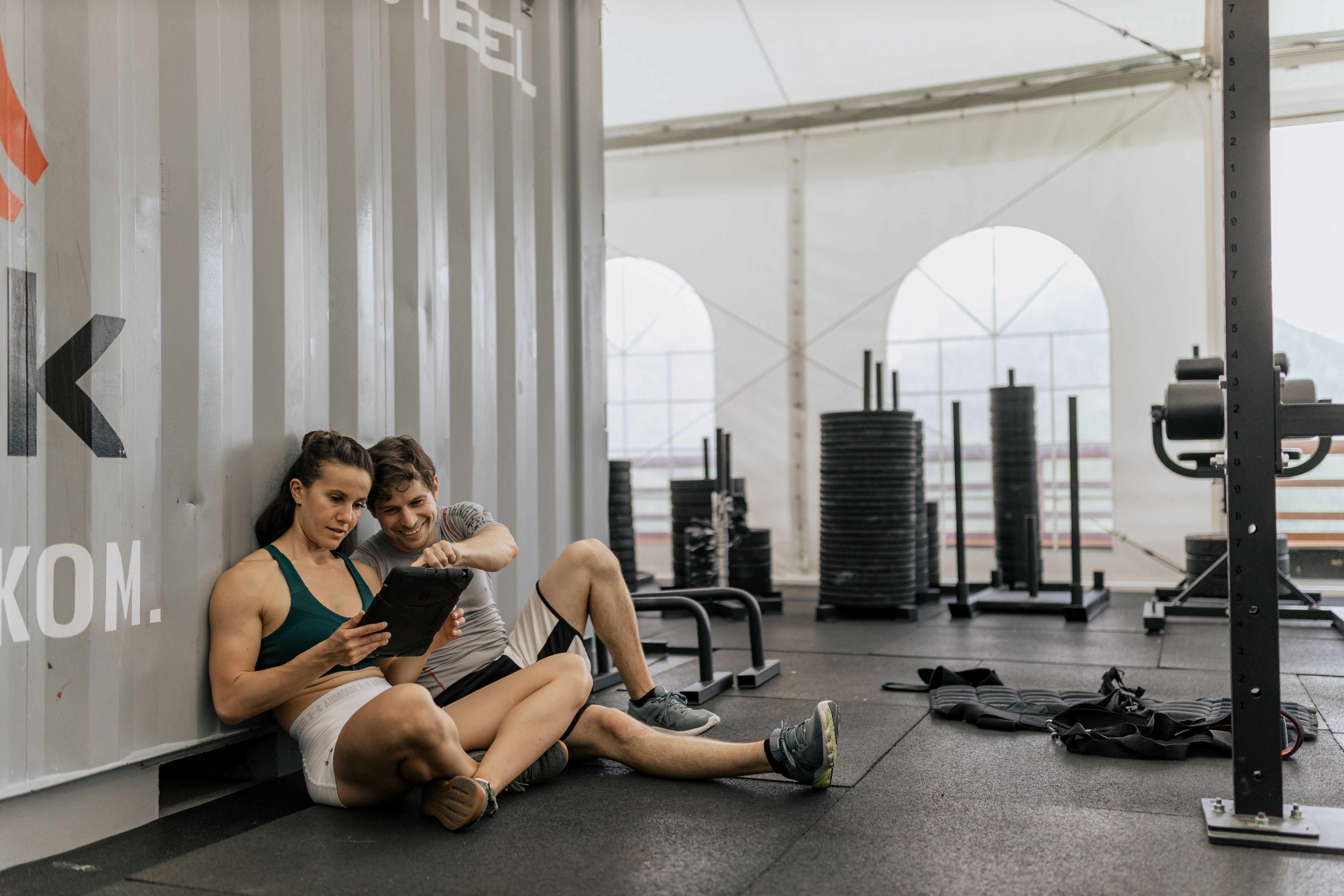
Strength training has climbed to become the dominant modality across almost every studio type. According to a Life Time survey reported by Athletech News, 42.3% of respondents identified getting physically stronger as their primary health goal for 2026, overtaking weight loss for the first time.
Gyms worldwide are swapping cardio equipment for additional weight stations. Boutique concepts built around strength, like BFT (Body Fit Training) and Lift Brands, are expanding rapidly. And the trend extends beyond traditional gym-goers. Women in particular are shifting away from wanting to shrink their bodies and towards lifting heavier and building functional strength.
What this means for your studio: If your timetable is heavily weighted towards cardio-based classes, consider adding dedicated strength sessions or hybrid formats that blend strength with functional movement. Even yoga and Pilates studios are introducing strength-focused class variants to meet this demand.
2. Fitness for older adults is a growth market
ACSM's 2026 fitness trends survey ranked fitness programs for older adults as the number two trend globally. This is not a niche. The baby boomer generation includes 73 million Americans, all of whom will be over 65 by 2030. Adults aged 65 and older now visit gyms and studios more often than any other age group.
Studios that design classes specifically for this demographic (low-impact strength, balance and mobility, chair-based sessions) are tapping into a loyal, consistent client base with strong retention and referral rates.
What this means for your studio: Look at your class schedule and ask whether an older adult would see something designed for them. If not, you are leaving a growing market untapped. Even one or two dedicated sessions per week can attract a new segment that tends to book consistently and stay long-term.
3. Wearable technology is reshaping expectations
Wearable technology topped ACSM's trends list for 2026, continuing its multi-year dominance. But the conversation has shifted. Wearables are no longer just step counters. Devices like the Oura Ring (which saw 58% year-on-year search growth) and Garmin watches now track heart rate variability, sleep quality, recovery readiness and stress levels.
Members increasingly expect their studio experience to connect with the data they already collect on their wrists. Studios that can acknowledge and integrate this data, even informally, feel more relevant and personalised.
What this means for your studio: You don't need to invest in expensive hardware integrations. Start by training instructors to reference recovery and heart rate concepts in classes. Consider screen displays showing effort zones during sessions, or simply acknowledge in your marketing that your classes complement what members track on their devices.
4. AI is moving into day-to-day studio operations
AI is no longer a buzzword. In 2026, it is becoming part of how studios operate. Athletech News reports that brands like Hotworx and Vasa Fitness are rolling out AI-powered personal training tools. On the operations side, studios are using AI for automated member communication, smart scheduling suggestions and lead follow-up.
The Fitt Insider 2026 Outlook describes health as becoming an "operating system," with AI connecting wearable data, coaching, and programming into seamless member experiences.
What this means for your studio: The most practical application right now is not AI-generated workouts but AI-assisted communication and marketing. Automated follow-ups when a member misses classes, smart re-engagement sequences and AI-drafted social content can save hours of admin each week. Platforms like Clubworx already support automated SMS, email and member communication workflows that handle much of this.
5. Recovery is becoming its own revenue stream
Recovery is no longer something members do at home with a foam roller. Compression therapy, infrared saunas, red light therapy and percussion massage are moving from luxury add-ons to core studio offerings. ACE Fitness predicts that members will begin treating recovery as a weekly appointment, and some facilities are creating dedicated recovery membership tiers.
The growth of recovery-focused franchises like Restore Hyper Wellness and StretchLab signals that consumers are willing to pay separately for recovery services, creating new revenue opportunities for studios that can add even basic offerings.
What this means for your studio: You don't need a full recovery suite. Even adding a small stretch or cool-down zone, offering a post-class guided recovery session or partnering with a local recovery provider can differentiate your studio. If you do add paid recovery services, make sure your membership and billing system can handle add-on pricing and class packs alongside regular memberships.
6. The GLP-1 effect is changing how studios programme
The widespread adoption of GLP-1 medications like Ozempic and Mounjaro is reshaping what members want from their workouts. NASM reports that the personal trainer's role is shifting from calorie-burn-focused coaching towards muscle preservation, strength programming and metabolic support for medicated clients.
For studios, this means the old "burn 800 calories in one class" marketing message is losing relevance. Members on GLP-1s are more interested in maintaining muscle mass, improving strength and supporting long-term body composition than chasing calorie counts.
What this means for your studio: Reframe your class descriptions and marketing around what members gain (strength, mobility, energy, confidence) rather than what they burn. Studios that position themselves as supporting overall health rather than weight loss alone will appeal to a broader audience, including the growing number of members using these medications.
7. Longevity and healthspan are replacing aesthetics as primary goals
The longevity movement has gone mainstream. Members are no longer driven primarily by how they look but by how they function and feel over the long term. NASM's 2026 trends report identifies healthy aging and longevity as the fastest-growing client goals, outpacing traditional physique motivations.
This shift affects class design, marketing language and even how studios measure success. Metrics like "years of healthy life added" and "functional capacity maintained" resonate more with today's members than before-and-after photos.
What this means for your studio: Consider how your class descriptions, social media and website talk about outcomes. Language like "move well for life," "build strength that lasts" and "invest in your future self" connects with this growing mindset. Classes that emphasise mobility, joint health, balance and sustainable strength naturally align with the longevity trend.
8. Community is the retention engine
The "membership mill" model, where studios acquire as many members as possible and accept high churn, is dying. The studios winning in 2026 are competing on experience and community. Athletech News data shows that for HIIT studios specifically, community drives retention better than any other factor.
Relational operators are building belonging into every interaction: challenges, leaderboards, social events, member milestones and digital groups that keep people connected between sessions. The operators who invest in community infrastructure see it reflected directly in retention rates and lifetime member value.
What this means for your studio: Retention is cheaper than acquisition. Invest in the touchpoints that make members feel seen: birthday messages, milestone celebrations, personalised check-ins when attendance drops. Automated communication tools can handle much of this at scale, so community-building does not have to mean more manual admin.
9. Boutique fitness is still growing, but maturing
The global fitness studio industry is valued at over $96 billion in 2026, with boutique studios representing the fastest-growing segment at 15-20% annual growth. But the sector is maturing. Price competition is intensifying (Amsterdam's Rostudios is entering New York with $25-per-class Pilates), and European brands are increasingly entering the US market.
Studios that survive the next phase of growth will be the ones with strong operational foundations: clean data, automated billing, efficient scheduling and personalised member experiences. The days of running a boutique studio on spreadsheets and Instagram alone are numbered.
What this means for your studio: This is where studio management software becomes essential. Efficient operations, reliable payment processing, real-time reporting and a branded mobile app are no longer competitive advantages. They are the minimum expectation for a studio that wants to grow sustainably.
10. Hybrid is the new baseline
The debate about whether studios should offer digital content alongside in-person classes is over. Hybrid is now the baseline expectation. Fitt Insider's 2026 analysis found that members expect connected ecosystems of clubs, apps, wearables and coaching. Virtuagym's industry benchmarks confirm that 85% of successful studios now use dedicated management software to support this.
This does not mean every studio needs to produce Netflix-quality workout content. It means members expect to interact with your studio digitally: booking online, managing their membership through an app, receiving automated reminders and accessing their class history from their phone.
What this means for your studio: If your members cannot book a class, check the timetable or manage their membership from their phone, you are behind. A branded mobile app and online booking system are the simplest ways to meet the hybrid expectation without producing content.

What these trends mean for studio owners
The common thread across all ten trends is that members in 2026 expect more from their studio: more personalisation, more digital convenience, more community and more focus on long-term health outcomes. The studios that thrive are not necessarily the ones with the newest equipment or the trendiest classes. They are the ones with clean operations, smart communication and a genuine connection with their members.
If your studio is still running on manual processes, disconnected tools or outdated marketing messages, 2026 is the year to upgrade. Clubworx brings scheduling, member management, payments, automated communication, reporting and a branded mobile app together in one platform, so you can focus on delivering the experiences your members are looking for.
Start a free trial or book a demo to see how Clubworx can support your studio as the industry evolves.
Frequently asked questions
What are the biggest fitness trends in 2026?
The top fitness trends in 2026 include wearable technology, strength training, fitness programs for older adults, AI-assisted coaching and operations, recovery services, longevity-focused programming, community-driven retention and hybrid digital-physical studio models. These trends are identified by sources including the ACSM annual fitness trends survey, Athletech News and Fitt Insider.
Is strength training still popular in 2026?
Yes. Strength training is one of the dominant trends in 2026. A Life Time survey found that 42.3% of respondents identified getting physically stronger as their primary health goal, overtaking weight loss. Gyms are adding more weight stations, and boutique strength concepts are expanding rapidly.
How is AI being used in fitness studios?
Studios are using AI for automated member communication, smart scheduling, lead follow-up and personalised marketing. Some brands are also rolling out AI-powered personal training apps that adapt workouts based on wearable data. For most studios, the most practical application is AI-assisted communication and marketing automation.
What is the GLP-1 effect on fitness?
GLP-1 medications like Ozempic and Mounjaro are changing what members want from their workouts. Rather than focusing on calorie burn, members on these medications are more interested in muscle preservation, strength and long-term body composition. Studios are adapting by reframing their marketing around strength and health outcomes rather than weight loss.
How important is community for gym retention?
Community is the single strongest driver of retention in 2026. Data from Athletech News shows that for HIIT studios, community drives retention better than any other factor. Studios that invest in challenges, social events, member milestones and personalised communication see significantly better retention rates.
What technology do fitness studios need in 2026?
At minimum, studios need online booking, a mobile app for members, automated communication (SMS and email), payment processing and basic reporting. 85% of successful studios now use dedicated management software. Platforms like Clubworx bring all of these capabilities together in one system.

.svg)
.svg)

On this page
Stay up-to-date with Clubworx
Other reads you might like

About the Author
